Where this Began

This initiative was driven and created by Jin Chung. I am a varsity golf captain at Chadwick School. I have been a competitive golfer for 6 years.
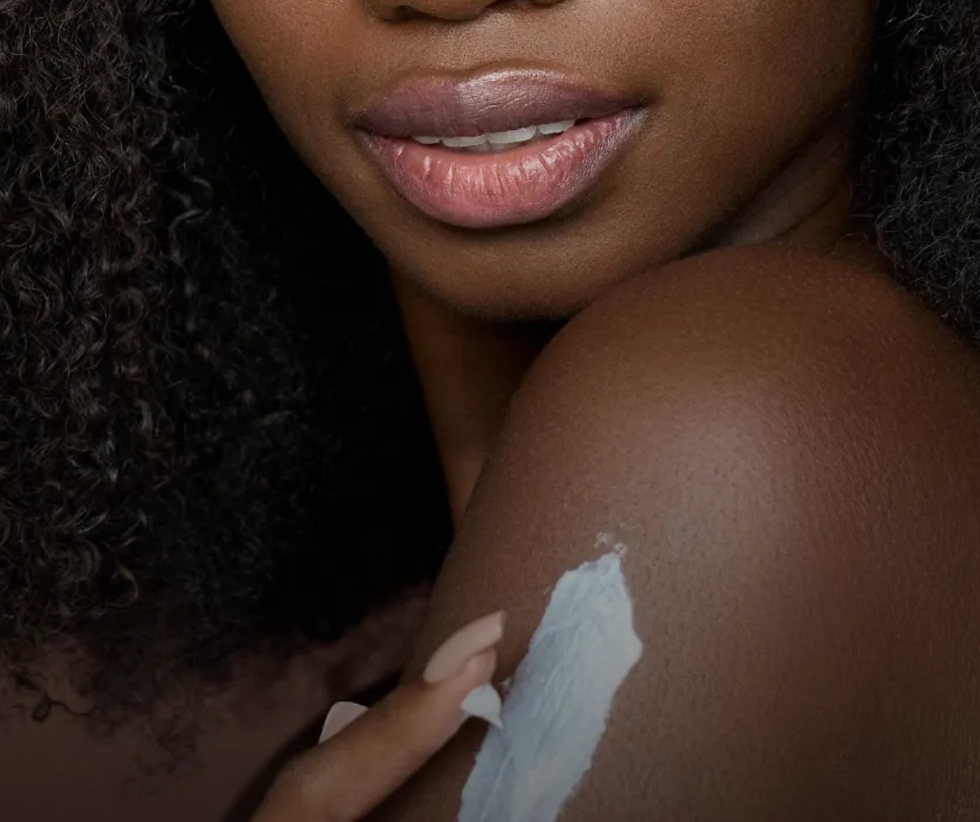
This idea began after a conversation with my teammate Hannah, a golfer with a darker skin tone, who shared that she avoids sunscreen. Why? Because products labeled “sheer” or “invisible” left visible gray films on her skin. Others that left no white cast required constant reapplication during play.
She also shared a belief common in many communities of color, that darker skin is less susceptible to skin cancer.
This conversation revealed something larger: sunscreen is marketed as universal, yet its formulation, testing standards, and messaging often exclude certain athletes.
Who is Overlooked
This is not an issue affecting everyone equally. It disproportionately affects athletes with darker skin tones whose performance environments- heat, friction, sweat- prolonged exposure interact poorly with many current sunscreen formulations.



What Does Current Sunscreen Market Fail At?
Visual Representation & Failure
Mineral-based filters such as zinc oxide and titanium dioxide leave visible residue on darker skin tones, contradicting labels such as “sheer” and “invisible.”

Performance Testing Failure
Claims such as “water-resistant for 80 minutes” reflect regulatory minimums, not real-world athletic conditions involving prolonged sweat, heat, and friction.

Communication Transperancy Failure
Sunscreen brands simply universal suitability without clarifying:
-
Which skin tones were tested
-
Under what athletic conditions products were evaluated
Learn More About Current Research
Photoprotection for Skin of Color
Sunscreen Use Prevents Skin Cancer
A study reviewing how sun protection behaviors and UV damage apply to individuals with darker skin tones, noting that sunscreen use may be underestimated in these populations and that cosmetic issues (like white cast) influence sunscreen choices.
A narrative review that evaluates UV protection methods relevant to athletes, including sunscreen formulation/use, clothing, and behaviors. This is especially useful for your athlete-focused context.
A broad review summarizing evidence that sunscreen reduces the incidence of both melanoma and non-melanoma skin cancers, providing foundational evidence for why sun protection matters
An overlooked risk for skin health: Less availability and higher cost of sunscreen for people with melanated skin
Perceived Skin Cancer Risk and Sunscreen Use among African American Adults
A study showing that products compatible with darker skin tones are less available and sometimes more expensive in certain neighborhoods, demonstrating a market access and equity issue.
We examined perceived skin cancer risk and its relationship to sunscreen use among a large (N = 1932) random sample of African American adults for the first time.
Photoprotection Strategies for Outdoor Athletes

Melanoma Disparities
-
Melanoma is 20–30x more common in white individuals.
-
However, Black individuals are more likely to die from melanoma.
-
Survival rate after diagnosis:
-
White patients: ~94%
-
Black patients: ~70%
-
Perception Gaps
-
46% of African American individuals report zero perceived skin cancer risk.
-
76% report zero to low perceived risk.
reveals a communication failure, not biological immunity.
Functional Sunscreens & Skin of Color
Research on newer types of sunscreens (e.g., tinted or visible light protection formulations) that may be more cosmetically acceptable and protective for darker and medium skin tones
Read Current Research




Why this Matters Beyond Inconvenience
At first glance, white residue may appear cosmetic.
However, this issue produces measurable societal consequences.
Public Health Disparity
-
Melanoma is 20–30 times more common in white individuals.
-
However, Black individuals are more likely to die from melanoma (Balch, 2022).
-
Survival rates:
-
White patients: ~94%
-
Black patients: ~70% (Rebecca et al., 2023).
-
Risk Perception Gap
-
46% of African American individuals report zero perceived skin cancer risk.
76% report zero to low perceived risk (Rebecca et al., 2023). -
This is a communication failure, not biological immunity.
Representation & Trust Erosion
-
When “universal” products visibly fail on darker skin tones, repeated exclusion fosters brand distrust and disengagement from preventative health practices.
-
This is a systemic communication ethics issue.
A Marketing Language Audit
How Companies "Trick" Customers
-
Companies often rely on vague, trust-inducing language:
-
“Sheer”
-
“Invisible finish”
-
“Dry-touch”
-
“Lightweight”
-
“Dermatologist recommended”
-
“Water-resistant for 80 minutes”
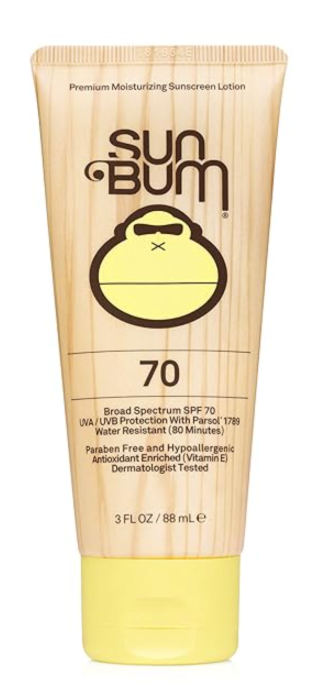


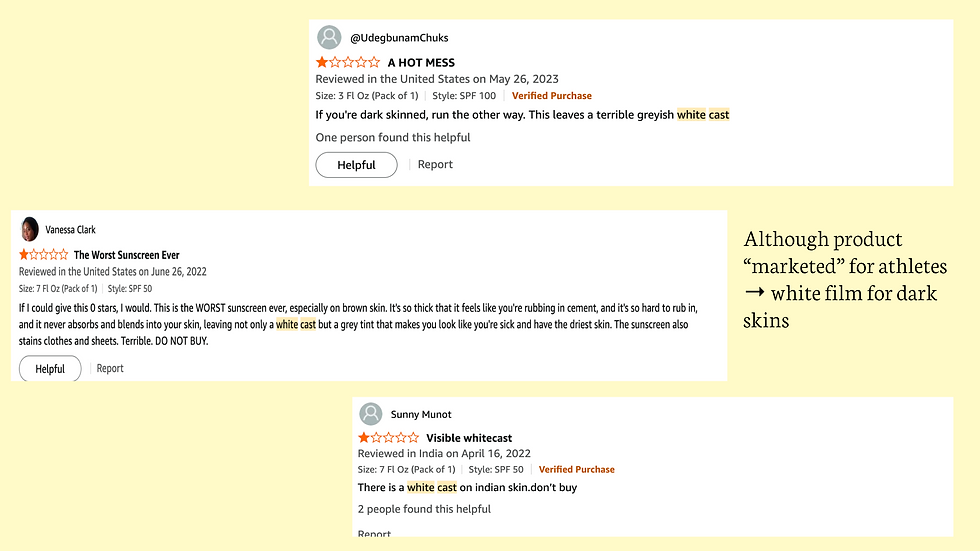

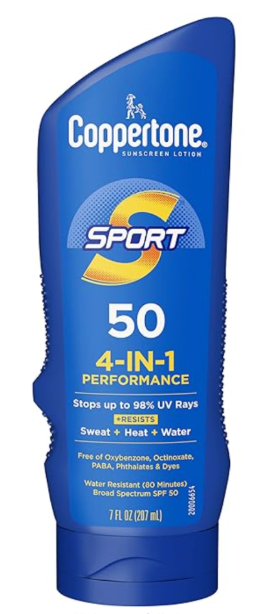
Real Reviews On "Inclusive Athlete-Friendly"
Major Sunscreen Brands
Communications Error
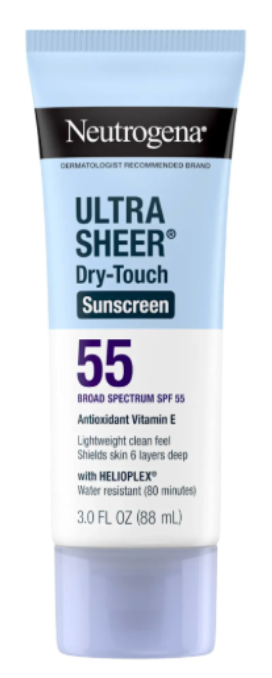
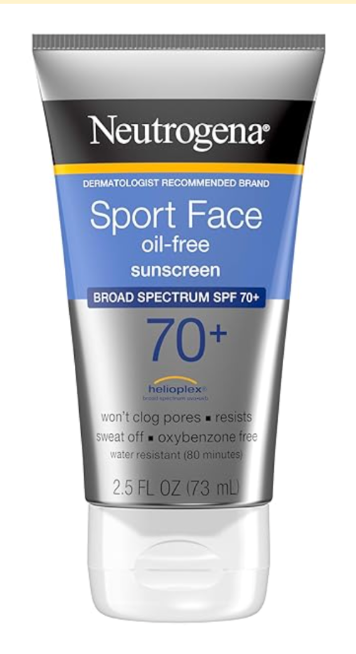
These phrases suggest:
-
Suggest universal compatibility.
-
Omit clarification about diverse skin-tone testing.
-
Rely on regulatory minimums rather than real athletic conditions.
-
Create implied credibility without transparency.